
Lottery Games Overview
BigMumbai Lottery games are built around the idea of delivering quick results through simple and well-structured interactions. Rather than relying on complicated rules or long waiting periods, these formats emphasize short game rounds, clearly defined outcomes, and intuitive number-based systems that are easy to follow from the first view.
The streamlined design of games allows users to focus on observing patterns and results without unnecessary steps. Countdown timers, clear visual indicators, and consistent layouts help guide attention and reduce confusion, making the overall experience smooth and accessible for a wide range of users.
On demo and informational platforms, games are commonly used to illustrate how game interfaces are organized and how timing and result systems operate. By presenting these formats in a non-interactive or explanatory context, users can better understand layout structure, round flow, and result presentation without the need for prior knowledge.
This section provides an overview of six representative lottery-style games, explaining their basic structure and highlighting the reasons they are frequently featured on modern gaming interfaces. Each format demonstrates a different approach to timing and presentation while maintaining a consistent and easy-to-understand design.
All content in this section is displayed strictly for UI demonstration and informational purposes. It is intended to support interface analysis and educational review rather than any form of real-world participation.
Games include
Lottery-style games are designed with simplicity and speed in mind. Most formats follow a clear structure that allows users to understand the gameplay quickly, even without prior experience.
Common characteristics of games include:
- Short and fixed game cycles that repeat continuously
- Simple number or symbol comparison mechanics
- Clear countdown timers showing remaining round time
- Fast and transparent result announcements
- Easy-to-understand layouts with minimal visual clutter
Thanks to these features, users can quickly recognize patterns, follow game rules, and navigate the interface smoothly. This makes lottery games especially suitable for casual viewing, interface demonstrations, and educational content.
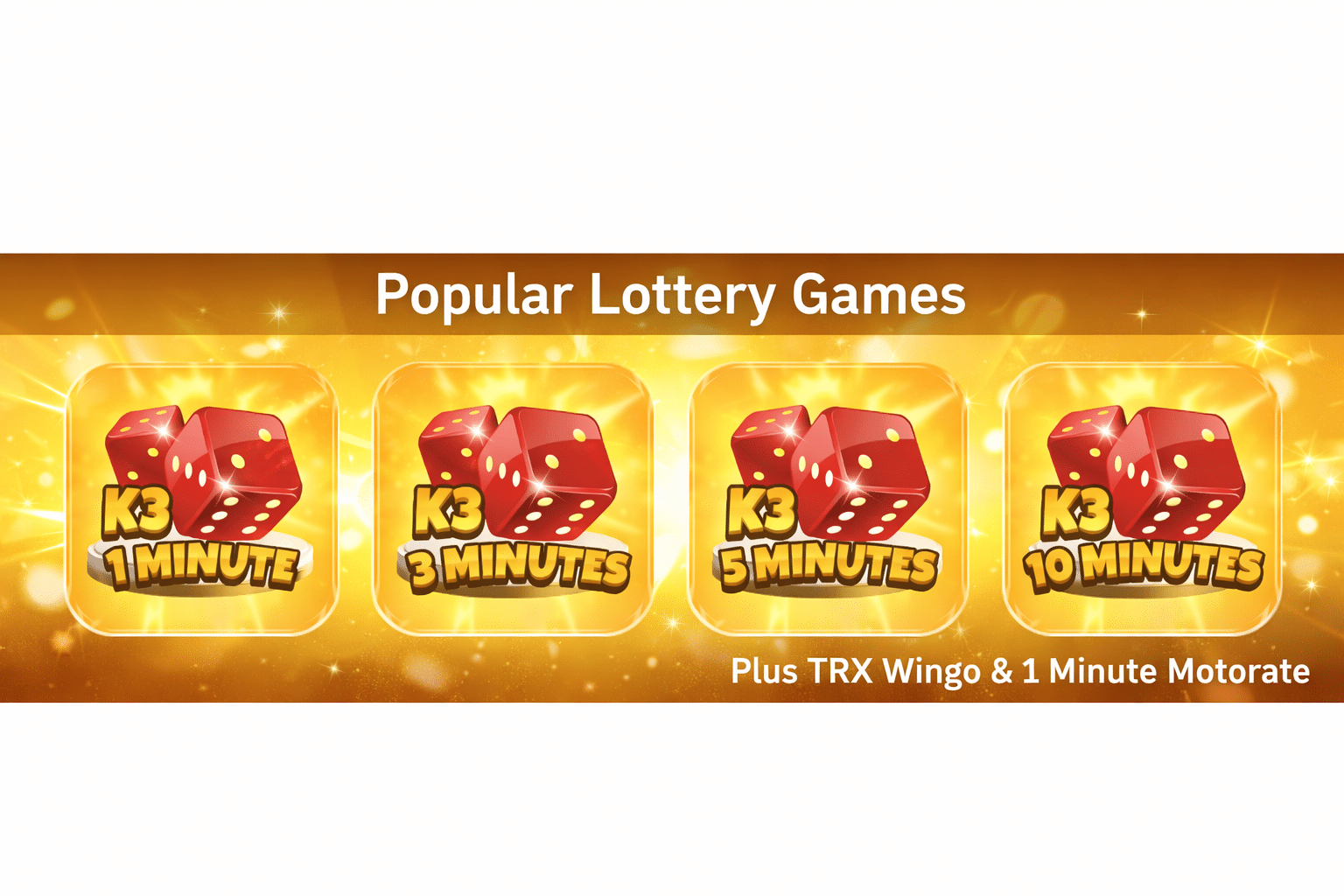
K3 1 Minute
K3 1 Minute is one of the fastest formats available. Each round lasts only one minute, allowing users to observe frequent result updates and smooth transitions between rounds.
Key characteristics:
- Extremely short round duration
- Clear dice or number display
- High refresh rate for results
- Simple layout optimized for quick viewing
This format is often used to demonstrate real-time updates and countdown mechanics in lottery interfaces.
K3 3 Minute
K3 3 Minute offers a slightly longer cycle while maintaining the same core structure as other K3 formats. The additional time allows users to follow the interface flow more comfortably.
Highlights include:
- Balanced pacing between speed and clarity
- Consistent visual structure with K3 series
- Easy-to-read result panels
- Stable round transitions
This version is suitable for users who prefer a moderate pace without complexity.
K3 5 Minute
K3 5 Minute is designed for users who want more time to observe numbers and interface elements. The extended round duration improves readability and reduces time pressure.
Notable features:
- Longer countdown timer
- Clear separation between rounds
- Improved focus on result history
- Clean and organized number presentation
This format is commonly used to showcase structured layouts and result tracking sections.
K3 10 Minute
K3 10 Minute is the slowest format within the K3 series. It emphasizes stability and clarity rather than speed, making it suitable for detailed UI demonstrations.
Main advantages:
- Extended observation time
- Clear result confirmation phase
- Easy navigation between sections
- Minimal visual pressure
This version highlights how longer cycles can improve user comfort and interface understanding.
TRX Wingo
TRX Wingo combines traditional lottery mechanics with a modern digital theme. The interface often uses bold colors and simplified symbols to enhance visual engagement.
Core elements include:
- Short and fixed round timing
- Simple result comparison
- Modern visual style
- Straightforward navigation
TRX Wingo is frequently used to demonstrate how thematic design can be applied to lottery-style games.
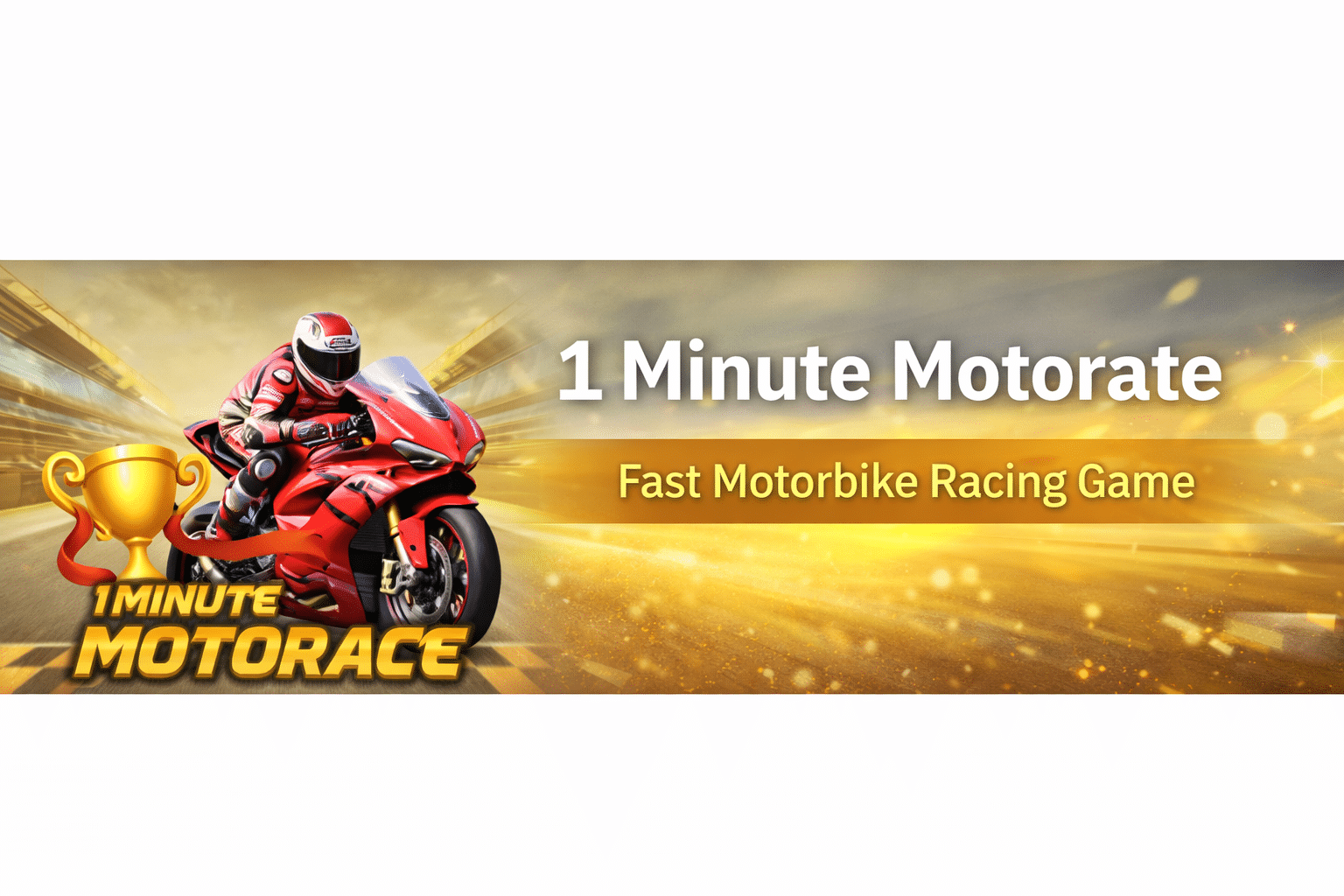
1 Minute Motorate
1 Minute Motorate focuses on speed and minimal interaction. Each round is completed within one minute, making it ideal for showcasing fast result systems.
Key points:
- Ultra-fast game cycle
- Minimal interface elements
- Clear result display
- Smooth round switching
This format demonstrates how simplified design supports rapid user understanding.
Why These Lottery Games Are Popular
These six game formats are commonly featured on demo and informational platforms because they provide a clear and practical way to showcase how systems operate. Each game follows a similar core structure, yet differs in timing and presentation, allowing users to understand variations without confusion.
One key reason for their popularity is that they represent different time-based game cycles. From one-minute rounds to longer formats, users can easily compare how round duration affects pacing, screen flow, and user focus. This variety helps viewers identify which format feels more comfortable or easier to follow.
Another important factor is the consistency of rule logic across all formats. While the time settings may change, the basic mechanics remain familiar. This consistency reduces the learning curve and allows users to concentrate on observing the interface rather than memorizing new rules.
These games are also easy to explain and visually observe. The layouts are clean, result indicators are clear, and countdown timers provide constant feedback. This makes them suitable for demonstration purposes, especially for users who are new to lottery-style interfaces.
In addition, these formats effectively highlight UI performance and visual clarity. Fast result updates, smooth transitions between rounds, and well-organized information areas allow platforms to demonstrate responsiveness and stability in real time.
Overall, these games enable viewers to compare pacing, layout structure, and result presentation in a straightforward way. Users can explore differences in timing and interface design without dealing with complex mechanics, making these formats ideal for both casual observation and UI-focused analysis.
Conclusion
BigMumbai Lottery games such as K3 formats, TRX Wingo, and 1 Minute Motorate clearly illustrate how simplicity and speed can work together to create a smooth and engaging user experience. By focusing on short game cycles, straightforward rules, and clearly displayed results, these formats allow users to understand gameplay mechanics almost immediately.
The intuitive layouts and consistent structure across different time-based versions help reduce confusion and improve overall usability. Users can follow countdown timers, observe results, and navigate between sections without unnecessary steps or visual overload. This makes lottery-style games especially suitable for users who value clarity and efficiency.
For informational and demo-based platforms, these game formats serve as practical examples of how modern lottery systems are designed. They offer a clear view of game flow, interface responsiveness, and result presentation while maintaining a clean and accessible layout. As a result, these lottery games are ideal for showcasing UI structure, timing logic, and user-focused design in a simple and effective way.
