
Mini Games Overview – Simple Gameplay, Fast Interaction, High Engagement
BigMumbai Mini games are designed to deliver quick entertainment, simple rules, and instant interaction for users who prefer light and casual gameplay. Instead of complex mechanics or long learning curves, mini games focus on clarity, speed, and visual feedback, making them suitable for both new users and experienced players looking for short play sessions.
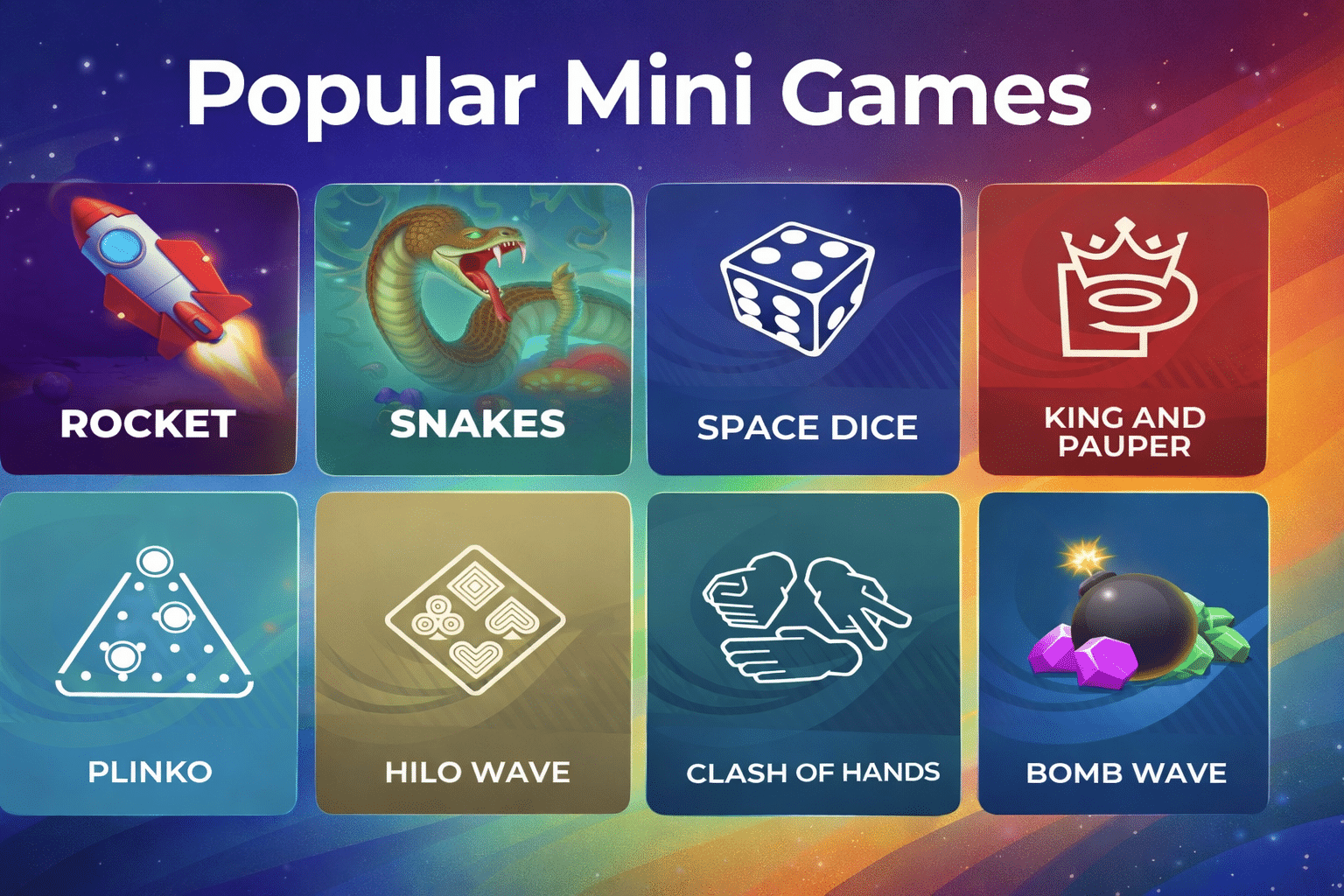
On informational and demo-based platforms, mini games are often used to showcase game interfaces, timing systems, and basic interaction logic. This category highlights how small, well-designed games can still create excitement and engagement without unnecessary complexity. Below are six representative mini games commonly featured on modern gaming demo websites.
Rocket – Mini Games Fast Timing and High Focus Gameplay
Rocket is a fast-paced mini game built around timing and quick decision-making. Instead of complex rules, the game focuses on observing movement and choosing the right moment to act. As the rocket rises, users must decide when to stop, creating continuous tension until the round finishes. This simple concept makes every session feel engaging and unpredictable.
The visual design of Rocket is clean and well-organized, with smooth animations that highlight the rocket’s motion. The uncluttered interface helps users stay focused on timing rather than distractions. Each round lasts only a short time, making the game suitable for quick play sessions and repeated interaction. On informational and demo platforms, Rocket is commonly featured to showcase real-time motion, countdown systems, and immediate outcome displays, helping users understand how timing-based mechanics work in modern mini games.

Snakes – Classic Arcade Design with Modern Simplicity
Snakes is a mini game inspired by the well-known classic snake concept, redesigned to fit modern digital platforms. The gameplay focuses on smooth movement, clear direction, and gradual progress rather than complicated goals or rules. Players guide the snake across the screen, learning through movement and visual feedback instead of instructions.
The familiar structure makes Snakes easy to approach, even for users with no prior experience. Clean graphics and steady motion help players understand how the game responds to input in real time. Each action leads to visible growth or change, creating a sense of progress without pressure. On demo and informational websites, Snakes is often used to demonstrate responsive controls, simple progression logic, and how traditional arcade ideas can stay engaging when combined with modern interface design.
Space Dice – Mini Games Random Outcomes with Visual Appeal
Space Dice is a mini game that focuses on random outcomes, combining dice-based mechanics with a modern space-inspired visual style. Instead of relying on strategy or long decision-making, the game centers on rolling results that appear through smooth animations and clear number displays. Each round is short, allowing users to quickly see outcomes and move on to the next interaction.
The futuristic design enhances the experience by making each dice roll visually engaging and easy to follow. Symbols, lighting effects, and motion help users understand results instantly without confusion. On demo and informational platforms, Space Dice is often featured to demonstrate random result logic, number-based systems, and animated transitions. The game is especially appealing to users who enjoy surprise elements and clean visual feedback without the need for complex planning or advanced rules.
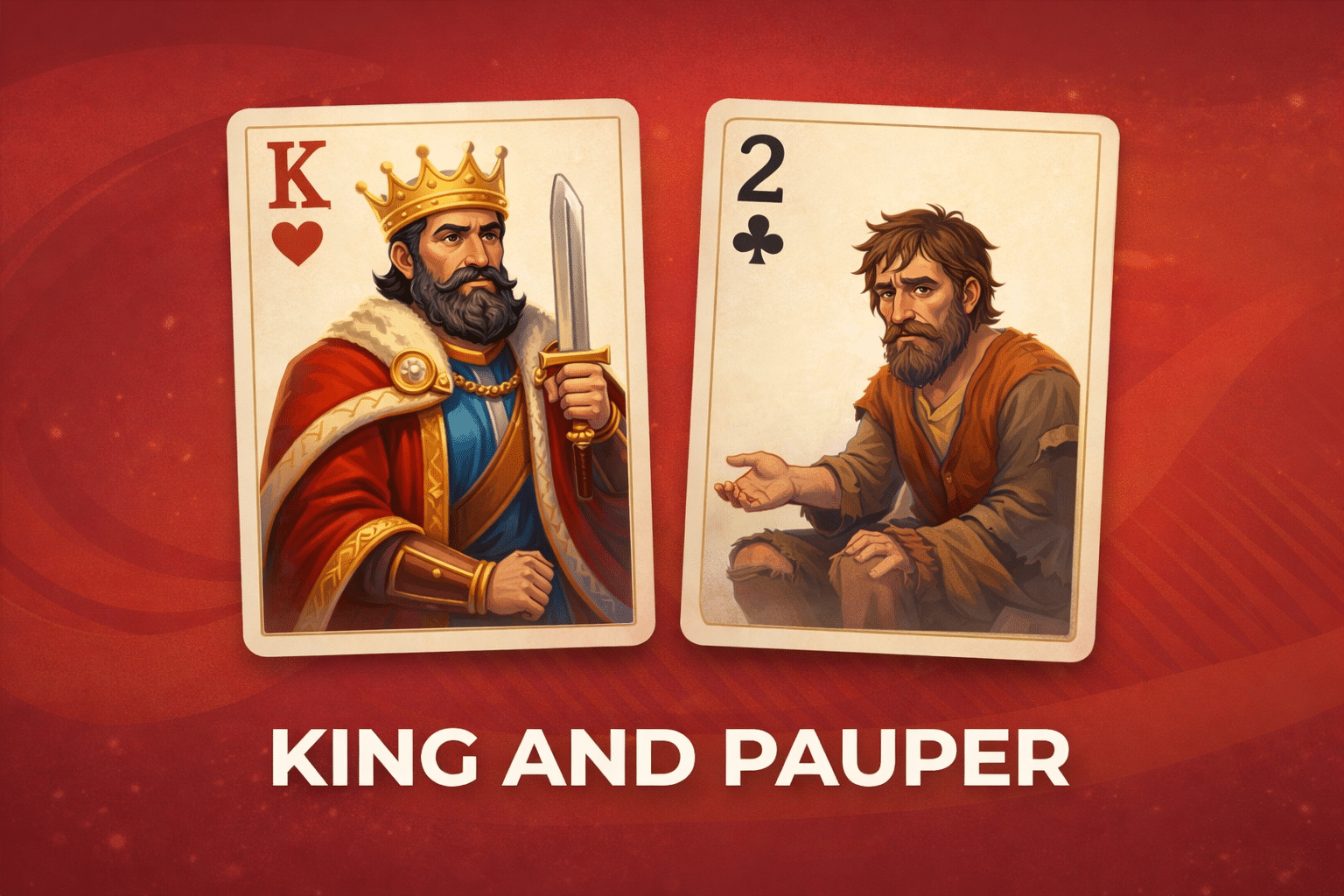
King and Pauper – Simple Card Comparison Logic
King and Pauper is a card-based mini game designed around simple value comparison. Instead of complex rules or multiple actions, the game asks players to observe card ranks and wait for an instant result. Each round follows clear logic, allowing users to understand outcomes quickly without confusion or extra steps.
The interface is clean and well-structured, with card visuals displayed in an easy-to-read format. Highlighted results and smooth transitions help users recognize winning and losing outcomes immediately. Because the gameplay follows a turn-based flow, it is especially suitable for first-time users. On informational and demo platforms, King and Pauper is often included to showcase card ranking displays, result emphasis, and basic comparison mechanics, making it a clear example of how card-based mini games function in a modern UI environment.
Hilo Wave – Mini Games Predictive Choice with Clear Flow
Hilo Wave is a prediction-based mini game that asks users to decide whether the next value will move higher or lower. The core rule is easy to understand, allowing players to focus on observation and timing rather than complex choices. Each decision leads to a quick result, keeping the experience smooth and engaging.
What makes Hilo Wave stand out is its wave-inspired visual presentation. The flowing motion adds a calm and modern feel without distracting from gameplay. Clear indicators and instant feedback help users understand outcomes immediately. On demo and informational pages, Hilo Wave is often used to demonstrate simple prediction mechanics, short game cycles, and how visual effects can enhance clarity while keeping the structure easy to follow.

Clash of Hands – Mini Games Quick Decisions and Visual Comparison
Clash of Hands is a quick-action mini game built around comparing hand symbols. Each round shows clear visual options, and the result is revealed almost immediately, creating a fast and energetic rhythm. The rules are easy to grasp, allowing users to focus on recognition and reaction rather than learning complex mechanics.
The game stands out through its clean interaction design and strong visual contrast between symbols. Smooth animations and instant feedback help maintain excitement throughout repeated rounds. On demo and informational platforms, Clash of Hands is often included to demonstrate how rapid decision-based games can remain engaging when supported by clear UI structure and responsive visual effects.
Why Mini Games Are Popular on Demo Platforms
BigMumbai Mini games like Rocket, Snakes, Space Dice, King and Pauper, Hilo Wave, and Clash of Hands demonstrate how simplicity and speed can drive user engagement. Their short rounds, easy rules, and intuitive layouts make them ideal for:
- UI and UX demonstrations
- Casual user interaction
- Beginner-friendly exploration
- Fast-loading, lightweight game sections
Final Thoughts on Mini Games
Mini games play an important role in modern gaming demo websites by offering accessible entertainment and clear interaction models. The six games introduced above represent different styles—timing, movement, chance, comparison, and prediction—while sharing the same core values of simplicity and usability.
For informational platforms, mini games are not only entertaining but also effective tools for showcasing design quality, interaction flow, and user experience in a compact and engaging format.
